10 Ideas to Steal from English Cottage Gardens
Table Of Content

Grow phlox in average, well-drained soil and mulch to retain moisture and keep the roots cool. Rudbeckia is an easy care member of the aster family with lovely yellow petals and dark centers. Because of their height, they work best at the back of the border. If you don’t want to do all this work, you may want to consider growing Larkspur or Baptisia instead. They can be started from seed or purchased from the local nursery in pots. Shops, hotels, restaurants and points of interest for the home and garden obsessed on the go.
Plants & Seeds
Lupines tend to grow the best in hardiness zones three through seven. These plants can grow to be up to five feet tall when they fully mature, and they will create blooms that are red, orange, pink, purple, and white. Though the plant prefers slightly acidic soil, it will grow in any well-draining soil. Cottage gardens are places where more really is more, and there’s always room to plant one more flower. “Plant in small gaps between established plants, in pots, in between paving slabs.” Incorporate annuals for instant color and perennials, which come back year after year.
Keep it classic with climbing roses
Then organize your beautiful tools with the help of our garden shed storage ideas. And learn more about adding a garden outbuilding in our expert guide. Give them a wigwam of hazel branches to scramble up and over and sweet peas will be off, their tendrils winding through the twiggy frame to create a sensational summer display.
How the King's garden designers revamped their derelict cottage - The Times
How the King's garden designers revamped their derelict cottage.
Posted: Sun, 31 Dec 2023 08:00:00 GMT [source]
Choose colors with confidence
SOURCEBOOK FOR CONSIDERED LIVINGThe definitive guide to stylish outdoor spaces, with garden tours, hardscape help, plant primers, and daily design news. I’m Wanda and I believe that anyone can create a relaxing garden retreat in their city backyard…no matter the size. So my mother and I are on a mission to help you do just that by sharing the DIY outdoor projects, plant suggestions and gardening tips we’ve learned through our combined 75+ years of experience. Then take some time to enjoy the sight of butterflies, birds and bees attracted to this beautiful space by the intoxicating aromas and lovely blend of colors. Water regularly during dry spells, deadhead, and stake plants as necessary to keep the flowers looking attractive all season.
Summer-Show Cottage Garden
In the earliest English cottage gardens, there was no room for error. Tried-and-tested plants known to thrive locally were favored because they produced the best crops. In England—or a similar climate—common cottage garden flowers include hollyhock (shown), nicotiana, poppy, foxglove, nasturtium, and cosmos. If you live in a different sort of climate, you can plant native wildflowers to get a similar effect. Towering spikes produce showy multi-petaled flowers in cool hues of blue, pink, purple, and white.
Pathways and edging
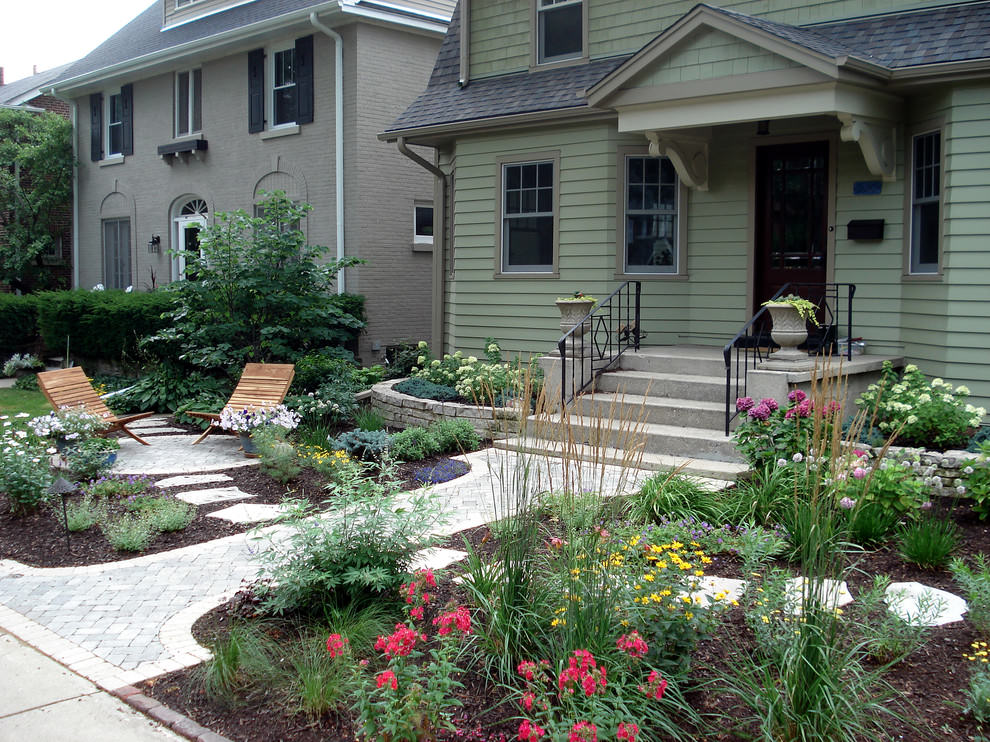
The cottage garden can be enhanced with a few simple ornaments like birdbaths, sundials, or stone statues. Used sparingly, found pieces can also help to pull the landscape’s scheme together. The path leading up to the front door is normally characterized by straight lines with an abundance of flowers spilling over each side. This can be edged with brick or a similar material, but plants will soften the straight edges, giving it a more casual feel. If you have soil with lots of sand or clay, amend it liberally with lots of organic matter, such as compost.
FRONT OF BORDER PLANTS
Columbine is one of my favorite, happy, easy care perennials. Plant in spring in rich, well-drained soil and water frequently. They do not need to be fertilized 3 inches of mulch is beneficial. With the wide range of colors and sizes, it is possible to find mums to enhance any garden color scheme. In the fall, cut the stems to basal growth and cover with mulch for winter protection. Most Coneflowers have deep tap roots so are difficult to transplant.
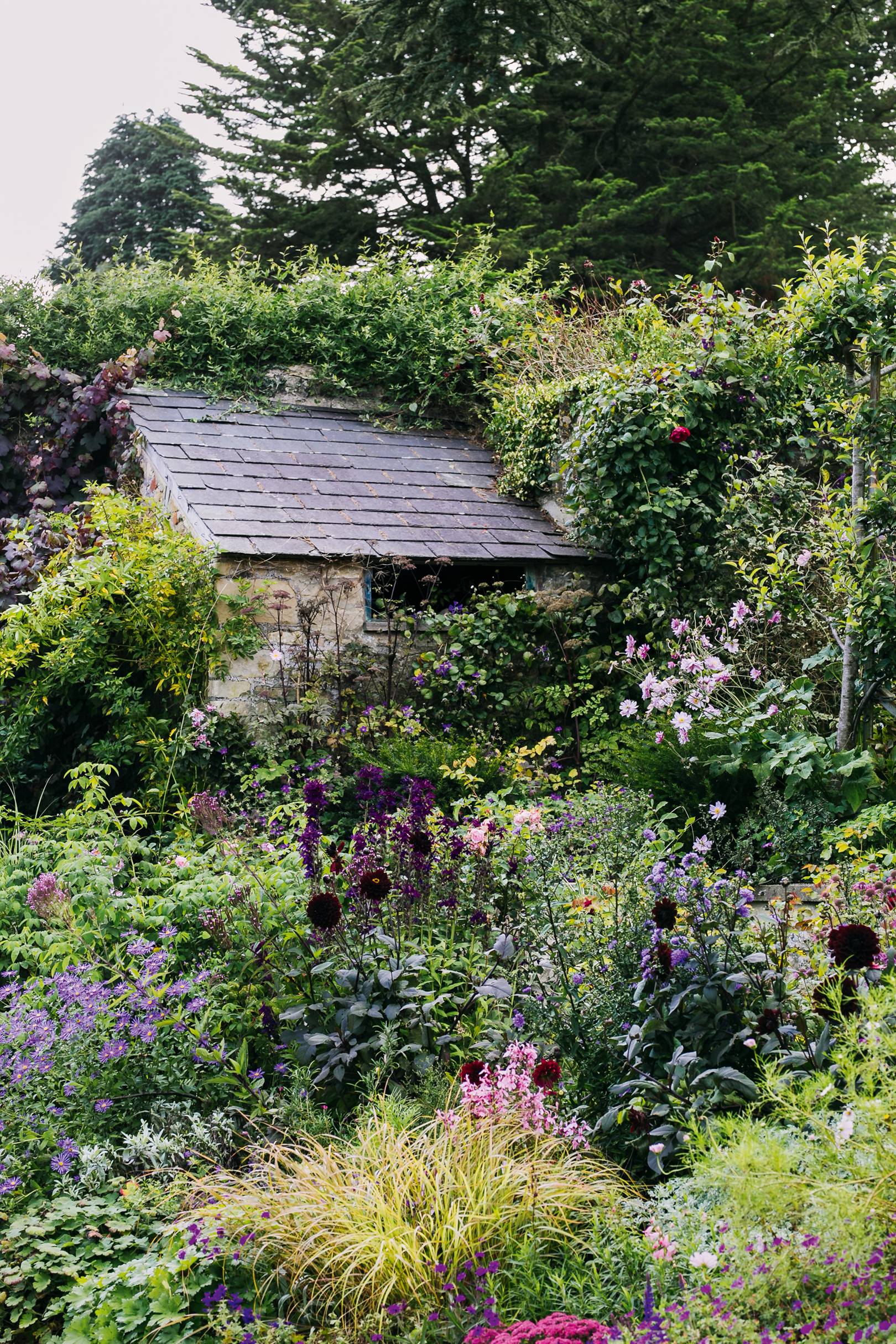
Create a tucked-away retreat in your cottage garden
Soft, curving pathways are at home in a cottage-style garden. They add to the homey feeling and invite people to explore further. You can use hard surfacing like bluestone (as I did here in this garden in New York), brick, or a combination of old bricks, tile, and stone. Soft paving like wood chips and gravel also work well as long as the walkway is edged to hold these materials in bounds. Remember – gardens are not created overnight; they evolve over years. Keep adding to it and, before you know it, you will have created your own dream cottage garden.
You are aiming for a succession of blooms that give a tapestry of color. The best plants to use are simple varieties that haven’t been overly bred, and are high performance while being tough and reliable. Some of the best cottage garden plants are annuals or short-lived perennials, so you will be able to nurture beautiful plants in your own growing space.
Once the roots are loosened, you can transplant the plant to its new location. The organic matter will help to improve the texture of your soil and make it more hospitable for plant roots. Mixing various plant textures throughout the acreage will help give it depth and enhance its overall unity. Implementing herbs and vegetables not only brings additional old-timey charm, but will make the space more useful as well, saving a bit of money on your grocery bill throughout the warmer seasons.
More than anything, English cottage gardens have a sense of diversity to them. As you walk along your pathways, your eyes should be moving around to catch glimpses of visual interest at different levels. Vertical layers add texture by breaking up the plane of sight. For instance, plants shouldn't be defined and situated in height order as they would in a standard border garden. This means the tall growers don't necessarily belong in the back row. If it's your favorite flower, display it front and center, or let it pop up from the center of a ring of something else entirely.
But you can still give your house similar curb appeal by growing hollyhocks along the front of your garden or by the front door. But, even for modern houses, a cottage-style front garden will provide a wonderful welcome for you and your guests. This blue-hued design has got us head-over-heels, and of course, the climbing rose only elevates the look further. Tuck it to the side of your plot in a sunny spot for a real destination point. A pretty bench – wooden or metal – will do the job just fine, especially when kitted out with a ditsy-patterned cushion or two. But, for a more sheltered approach, consider opting for garden arbor ideas.
Cottage gardens take a relaxed feel in comparison to sleek, contemporary plots. A great way to enhance this vibe is to add handmade features, made from natural materials, into the mix. And, if you're the owner of a small, urban garden, don't be discouraged.
Beds in the cottage garden should be prepared with organic materials such as compost, to improve soil quality and promote healthier and more vigorous plant growth. A wide variety of perennials in the cottage garden will provide long-lasting stability, returning each year as well. Include some that bloom throughout different seasons to ensure continual color and interest in the garden. However, small fruit trees, flowering shrubs, and ornamental grasses are paramount for creating structure. Deciduous trees, such as crape myrtle or redbuds, add structural height and seasonal interest, providing lovely fall foliage. The key to any cottage garden’s appearance is the use of deep borders, overflowing with a medley of colors and forms.


Comments
Post a Comment